
Vlad the Impaler: a ruler of Wallachia
Vlad III, called Drăculea and Țepeș, was a ruler of Wallachia, the principality south of the Carpathians. Țepeș means "the Impaler", and the name refers to the punishment he is remembered for. This page keeps to the history and does not dwell on details.
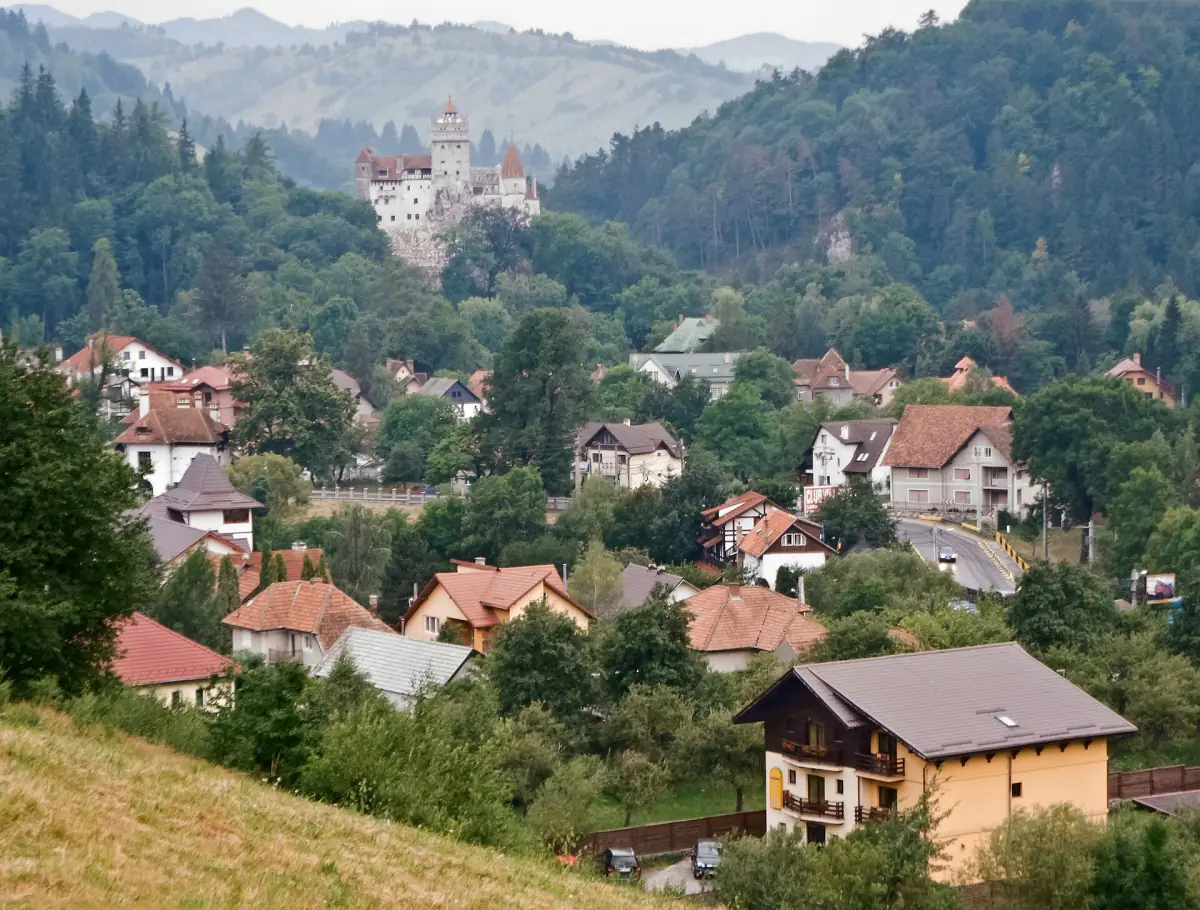
He is a historical person. Count Dracula, the figure in Bram Stoker's novel, is fiction and not a portrait of him. Bran Castle stands at the crossing between Transylvania and Wallachia, but no secure evidence makes it his residence or his property. If you want to see the castle itself, start with the Bran Castle and Dracula tours and read the rest of this page on the way.
Vlad Țepeș: dates and phases of rule
The dates below describe the state of historical knowledge. Several are approximate, and none should be read as a precise biography.
c. 1428–1432: birth
The exact year and day of his birth are not secure. Historians settle on a span of a few years rather than a birthday.
1448: first rule
The first of three phases in which he held the throne of Wallachia, as historians count them.
1456–1462: main rule
The second phase of his rule, which ended in 1462.
1476: last phase and death
A final period of rule followed, and 1476/1477 is the careful dating of his death. Do not quote it as an exact date.
Our picks: a route to Sighișoara and Bran
A day that connects the town of Sighișoara with Bran Castle.
Hand-picked tours, booked through GetYourGuide. Prices are indicative starting prices in euros (as of October 2026). Tap a tour for live availability and the current price in your currency.
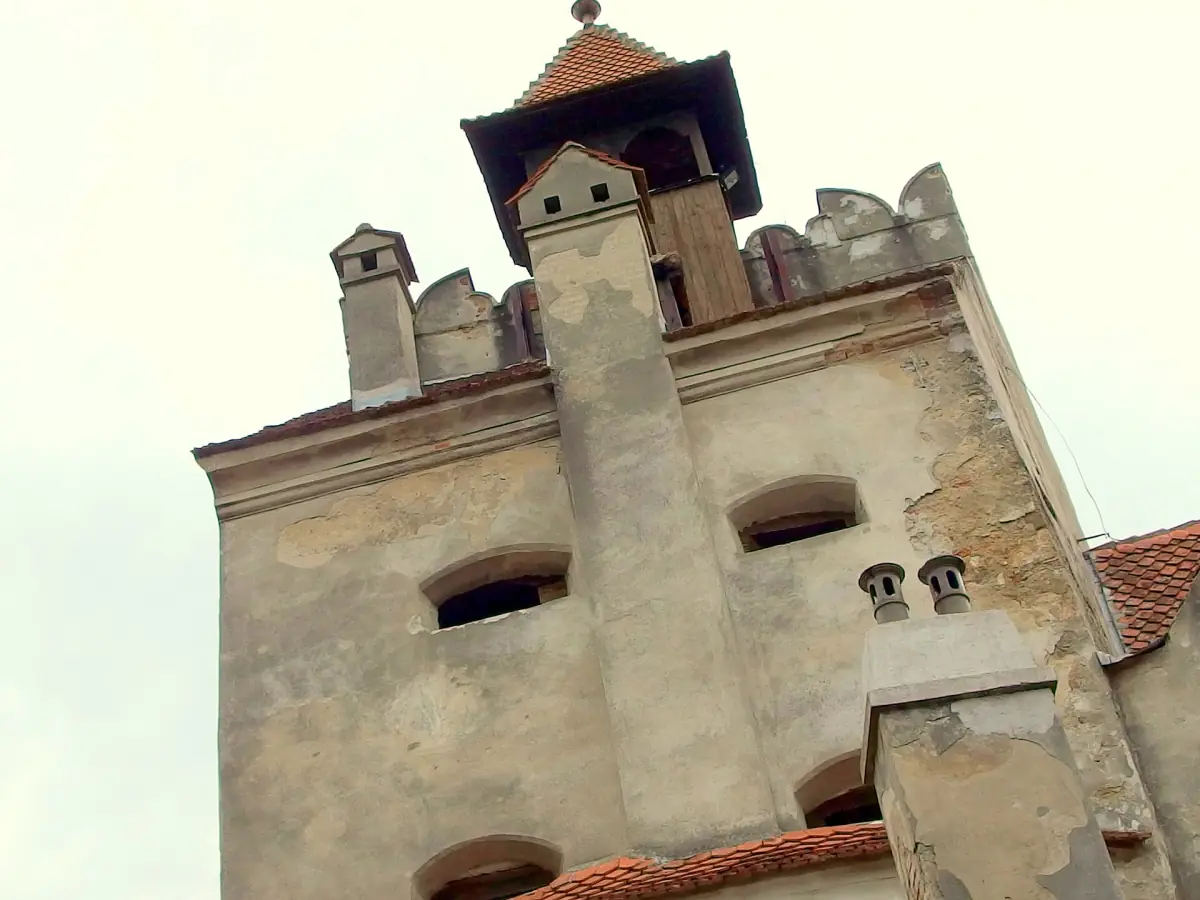
Dracula tours and day trips around Bran
Guided trips that combine Bran Castle with Brașov, Râșnov and other stops, with live prices and availability. Check which options include the castle ticket.
Vlad and the name Dracula
People often say that Vlad the Impaler is the real Dracula. That sentence blurs two things. The Count in the 1897 novel is a literary figure invented by Stoker. Vlad was a ruler who lived over four hundred years earlier. The shared name is the starting point of a famous story, not proof that the novel is a biography.
For visitors this means one useful habit: when a guide, a sign or a souvenir joins the two, ask which of them is meant. Read more on the Dracula and Bram Stoker page.
Vlad and Bran Castle: what can be said
The connection to Bran is weak. Bran was not Vlad's castle, and there is no secure evidence that he lived there or owned it.
The castle's operators describe an army passing through in 1459 and a short imprisonment in 1462, citing a book published in 2002. There is no contemporary proof of such an imprisonment, so treat it as a claim and not as a fact.
What this means for your visit
Come to Bran for the medieval border fortress and the royal rooms, and take the Vlad connection as a story attached to the building. The history of Bran Castle is documented far better than any link to Vlad.
Poenari Fortress: a different castle
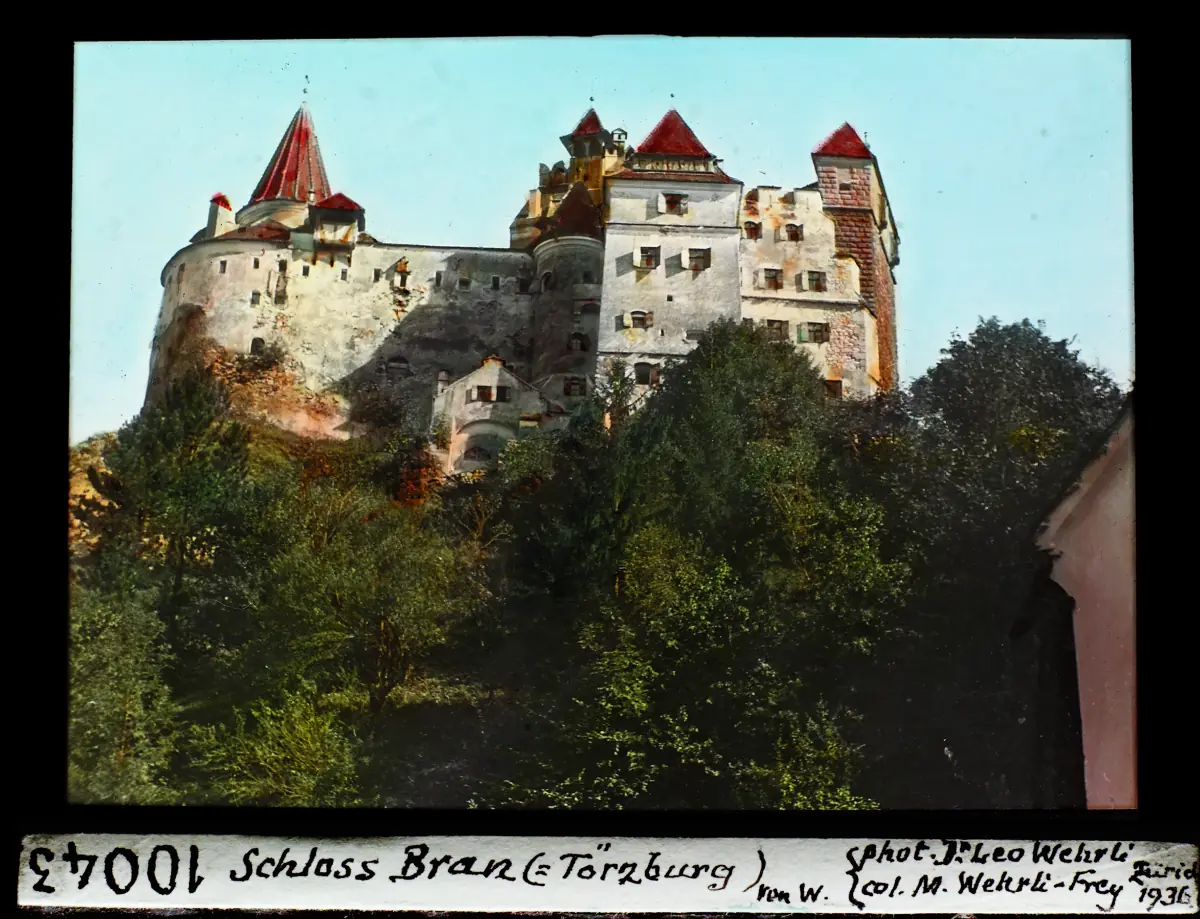
If you are looking for a castle that belongs to the Vlad tradition, look at Poenari, also spelled Poienari. It is a separate fortress near Căpățâneni, in the commune of Arefu in Argeș County. The county museum documents the Vlad tradition there on the basis of historical chronicles. Poenari is not another name for Bran.
The basic programme of the museum is daily 09:00–16:00, with the last ascent at 15:00. After a bear sighting, the museum announced that Poienari can only be visited in organised groups of 15 to 20 people. That rule can change the plan for the day, so do not count on a spontaneous individual visit and check the current arrangements before you set out.
Sighișoara and the Vlad stories
Guides in Transylvania sometimes link the medieval town of Sighișoara to Vlad's birth. No surviving house is established as his birthplace, so treat such claims with care. The town itself is worth a visit for its own reasons: its historic centre has been a UNESCO World Heritage Site since 1999, a medieval fortified town shaped by Transylvanian Saxon craftsmen and merchants. See more on the Transylvania page.
A good rule for any Vlad story is to ask what kind of claim it is: a documented date, a local tradition or a tourist legend. Documented dates are few, traditions are many, and the stories at the souvenir stalls belong mostly to the last group.
Where to go next
Pages that put Vlad and the legend into context.
Vlad the Impaler: frequently asked questions
Who was Vlad the Impaler?
Vlad III Drăculea, called Țepeș, was a ruler of Wallachia. He held the throne in three phases: 1448, 1456–1462 and 1476.
What does Țepeș mean?
It means "the Impaler". Vlad is remembered under this name because of the punishment it describes.
Was Vlad born at Bran Castle?
No, and there is no secure evidence for any birth or imprisonment at Bran. His year of birth lies roughly between 1428 and 1432.
Was Bran Castle Vlad's home?
No. Bran is not a documented residence or property of Vlad.
Is Vlad the Impaler the real Count Dracula?
No. The Count in Stoker's 1897 novel is a literary figure and not a biography of Vlad.
Which castle is linked to Vlad?
Poenari Fortress in Argeș County. At present it can only be visited in organised groups of 15 to 20 people, so check before you plan a visit.